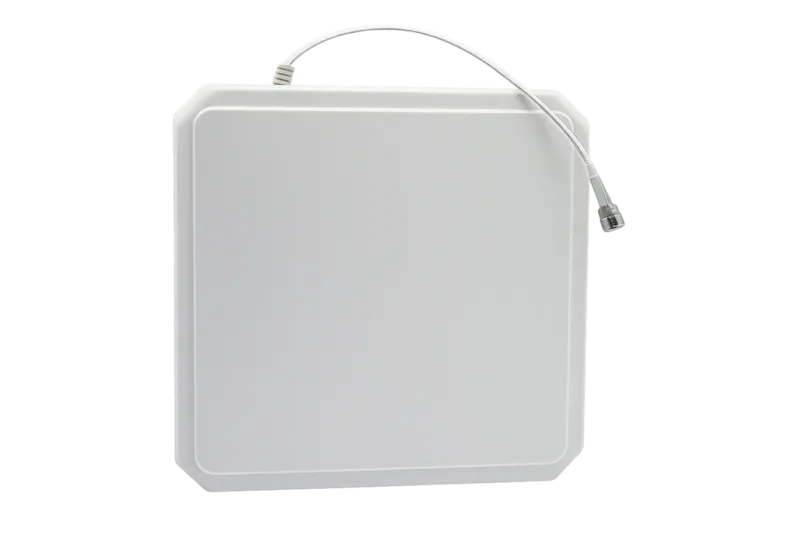
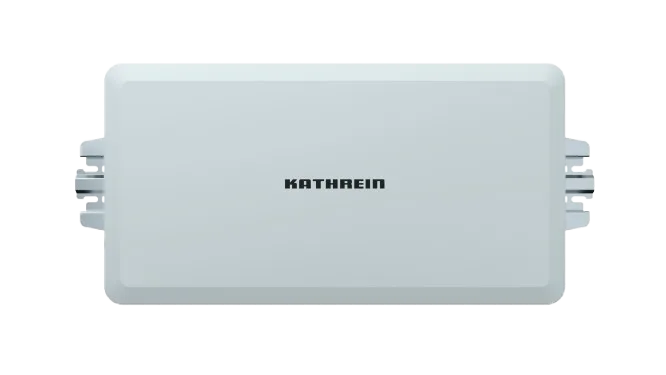
Kathrein WRA 3070
High-quality fixed RFID antenna
From €368
Fixed RFID readers
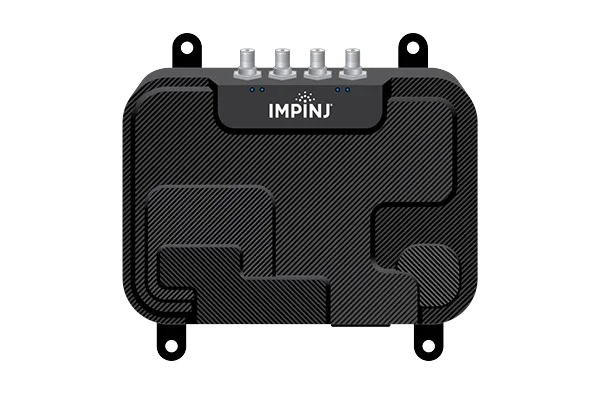
Advanced RAIN RFID reader with edge compute capabilities. Features 4 antenna ports for wide-area coverage, PoE+ for simple installation, and continuous scanning mode for real-time inventory tracking. Integrates with Beam via the IoT Bridge for cloud-based RFID management.
The Impinj R700 processes thousands of tags per second with industry-leading speed. Its RAIN RFID technology delivers exceptional read accuracy even in dense tag environments. Perfect for high-traffic zones, dock doors and automated scanning lines.
The R700 runs applications directly on the reader, filtering and processing tag data before it reaches your network. Combined with the Beam IoT Bridge, you get a complete edge-to-cloud solution with real-time visibility and reduced network load.
The R700 features edge computing capabilities, allowing it to run applications and process data directly on the device. This reduces network load and enables faster decision-making compared to traditional readers that send all raw data to a server.
RAIN RFID is an industry alliance standard built on UHF RFID technology. It delivers higher performance, better interoperability and more consistent reads than generic UHF implementations. The R700 is one of the leading RAIN RFID readers on the market.
Yes. The R700 is designed for high-throughput environments including conveyor lines, dock doors and automated sorting systems. Its edge compute capabilities ensure tags are processed in real time even at high speeds.
Yes. The IoT Bridge acts as the central connection point between your RFID readers and the Beam platform. It manages device communication, configuration and data flow to the cloud.
Edge computing allows the R700 to filter, aggregate and process tag data before sending it to the network. This means less bandwidth usage, faster response times and the ability to trigger local actions based on tag reads without waiting for cloud processing.
A reader’s ability to connect does not prove that every tag can be read reliably in every environment. That is why hardware, tags, products, read zones, volumes and exceptions are tested together before any performance commitment becomes part of the scope.
Product specifications describe the device. The right model, connectivity, availability and price are confirmed in your quote.
Discuss your requirements →