RFID inventory management

Count and check stock without scanning each item separately.

RFID reads multiple labelled items at once. Beam identifies the items, compares them with expected stock or orders and shows what needs checking.

  1. 01Tag
  2. 02Read
  3. 03Check
  4. 04Record
Fixed RFID read zone
Loading animation

Tagged stock passes through a configured read zone.

01 · From product to identity

Each RFID label identifies one individual item.

An RFID label contains an antenna and a chip with a unique code. Beam links that code to one individual item, such as a single chair.

What happens during a read?

  1. 01

    The reader uses radio waves to read the unique codes.

  2. 02

    You do not need a direct line of sight to each label.

  3. 03

    Beam matches the codes read to the corresponding items.
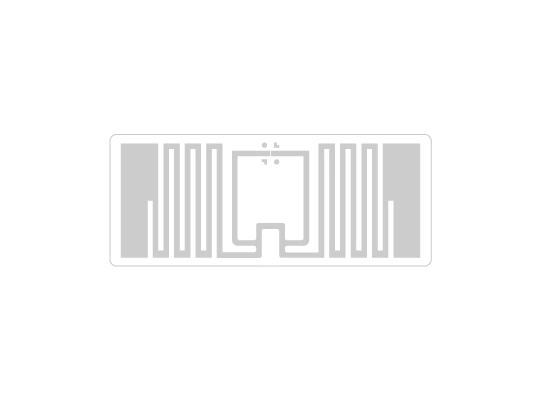
RFID / LABELRFID label: a wide antenna with a small chip in the centreAntenna Chip
UNIQUE IDENTITYE2801160600002A4F1C39B21Aurel 2.5-seater sofa, cognacExample of a tag linked to an item in Beam
Tracking individual items? Give each one its own tag. A single tag on a pallet identifies that pallet.

02 · The reading session

Hundreds of items. One reading session.

Move the handheld along the rack. In this example, tags light up as they are read. Beam then checks the result.

RFID handheld SESSION / 02
Loading animation
TAGGED STOCK

An employee reads the tagged stock.

Not yet readLights up when read
One point = one tag
Illustrative reading example · not a speed measurement

From counting to finding

Choose “Find one item” to follow the selected tag. A stronger received signal helps your search; it does not give an exact position.

Read stock where it is, or as it passes a checkpoint.
HANDHELD

RFID handheld

The employee goes to the stock.

Walk up to a rack, delivery or return. You choose where and when to count, check or search for a tagged item.

View the handheld
FIXED CHECKPOINT

Fixed RFID read zone

The stock passes through the checkpoint.

Read RFID labels at a doorway, scan table or returns point. For returns, Beam identifies the items and uses the link made at dispatch to show which customer or location returned them. No need to open each order or select a customer manually.

View the portal

A dedicated RFID scan table for checking orders. See how Rebo Systems uses it

A fixed read zone can automate processing. During setup, we define which tags belong to the checkpoint and when a record is created.

The handheld read 240 unique tags. Beam expects 243 items for this count.

Follow this count in Beam

03 · From a read to a result

240 items read. 3 to check.

Follow the 240 tags from the handheld example. Beam compares them with the 243 expected items and shows which 3 have not yet been read.

  1. 01

    Identify

    The 240 unique tags are matched to known items. Each item counts once.

  2. 02

    Compare

    240 items read, 243 expected. The count shows a discrepancy of 3 items.

  3. 03

    Check

    See which items have not been seen and check their expected positions.

ONE ITEM STILL COUNTS AS ONE

Every unique tag counts once.

Alongside the 240 unique tags, there are 88 repeat reads. Beam keeps these separate. Reading the same label again does not increase the count.

Beam app · fictional count example at Northline Furniture.
FROM DISCREPANCY TO ACTION

These 3 items have not been seen yet.

Beam shows the 3 items and their expected positions: B-11 and B-12. Check those positions and use the handheld to search if needed. An unread tag does not mean the item is missing.

Beam app · fictional count example at Northline Furniture.
What still needs checking?
  • Reading a tag does not in itself show whether an item was received, moved or delivered. The reading point and how Beam processes the result must be defined.
  • An unread tag does not prove that an item is missing. Material, placement and the environment can affect the read.
  • The signal helps you search, but does not provide continuous GPS positioning.
  • The link between tag and product must be correct. RFID does not fix incorrect product data.
  • If you only need a total per location, tracking quantities may be enough.

04 · The method that fits

How do you want to record your stock?

Enter quantities

Enter stock quantities in the app.

Scan barcodes

Scan items one at a time with your phone or scanner.

Use RFID

Read multiple RFID-labelled items at once.

05 · The right setup

Test RFID with your products, in your working environment.

Test the tags, reader and setup with your own products, in your store or warehouse. Include everyday tasks and items that are difficult to read.

The right label

Choose a label and position that suit your product.

An RFID label on the product A box with a label on its side. Label placement is part of the test with your own packaging. RFID-label Packaging

A tag suited to the material

Metal may need a specialist label.

An RFID tag on a metal case A metal case has an RFID tag on the front. Test a tag suited to the metal in your own product. RFID tag for metal Metal case

The right read zone

Test the antennas together with the passageway.

A pallet through the RFID portal, with stock beside it A pallet carrying a tagged box passes through an RFID portal. Another box stands beside it. Check in the pilot that only the intended stock is read. RFID portal Stockbeside the portal Through the portal
  • 01Does the tag work on your product and packaging?
  • 02Can tags be read at the required distance and speed?
  • 03Does it work with full boxes and different item positions?
  • 04How do metal, liquids and equipment affect the read?
  • 05Are tags outside the intended zone also being read?
  • 06What should an employee do if a tag is not read?

06 · On the floor

See a real reading session in action.

A pallet through the portal

The load passes through a configured read zone.

Reading with a handheld

The employee reads the tagged stock.

07 · From pilot to results

Where could RFID save time and reduce costs?

Compare the time spent counting, checking and searching with the cost of tags, hardware, Beam and implementation. A pilot with representative products and volumes lets you measure the difference.

CURRENT SITUATION

What does the process cost today?

  • Time spent counting and checking
  • Errors, rework and delays
  • Searching, losses and missing history
REQUIRED SETUP

What does the RFID setup require?

  • Tags and applying them
  • Readers, antennas and setup
  • Beam, integration, training and management

See where RFID can improve your inventory process.

We use your counting, receiving or returns process to show where Beam fits, which reading method to use and what to test in a pilot.